Emergency Dentistry and the Coronavirus (COVID-19) Disease: How to Determine If a Chipped Tooth Is not a Dental Emergency
There is a lot of news regarding emergency dentistry and the Coronavirus COVID-19 disease these days. As the coronavirus continues to infect people around the globe, your dentist is concerned about your well-being. Most offices are not doing elective, non-emergency procedures right now. However, you can still make an appointment for urgent needs. If you have a chipped tooth, talk to your dentist about your options.
The challenges with emergency dentistry and the Coronavirus COVID-19 disease
Since the coronavirus began in Wuhan, China, in late 2019, it has spread to most countries, infecting more than 1.5 million people. To slow this wave, officials have required many businesses and services to shut down so that people can stay home. Dental offices remain open, though people will not have wellness checkups or cosmetic procedures during these restrictions. These measures attempt to limit the number of people in a dental office and to help promote stay-at-home directives. Emergency care is still open to people of all ages.
Causes of a chipped tooth
Teeth are made of the strongest materials in the body. A tooth can withstand years of wear and tear. This does not mean teeth are indestructible. Accidents or injuries can chip a tooth. These often occur due to a hard blow to the face or when a person bites into something hard. Contact sports and falls can also cause this issue. Sometimes, poor oral health leads to chips or cracks in teeth. A lack of brushing can weaken the enamel, making the tooth more susceptible to damage.
Consequences of a chipped tooth
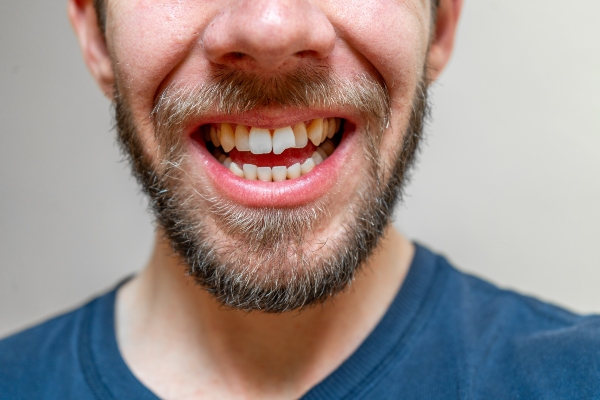
One of the biggest concerns a person will have with a chipped tooth is what it looks like. This blemish stands out and can be embarrassing. Chipped teeth can hinder a smile and the person’s appearance. It also may be more difficult to eat, as certain foods could turn a chip into a fracture. Chipped teeth could also invite infection or decay into the area.
When it is an emergency
Patients will consider emergency dentistry and the Coronavirus COVID-19 disease when the chipped tooth becomes painful. A severe toothache is a common sign of decay or an abscessed tooth. If a dentist does not treat these issues quickly, they can affect other teeth or even the entire mouth. Eventually, an infection could spread to the face, neck and other areas of the body. If the pain is impacting the patient’s daily life, it is time to make an appointment. If the chipped tooth is only a cosmetic concern, the patient will not need emergency help.
A difficult decision
No one wants a chipped tooth to ruin a smile. If you have this issue right now, decide whether you need to go to the dentist right away. Because of emergency dentistry and the Coronavirus COVID-19 disease concerns, you should not make an appointment unless the pain is becoming unbearable or making it difficult to eat. Your dentist can also help determine whether you need prompt attention. Though you may not like this blemish in your mouth, waiting for care might be the right decision.
Request an appointment here: https://www.myddsny.com or call Inna Goykman-Amir DDS at (718) 416-6364 for an appointment in our Brooklyn office.
Check out what others are saying about our services on Yelp: Read our Yelp reviews.
Related Posts
It is a good idea to find a dentist beforehand to be prepared for a possible dental emergency. It is better to know a provider as a security blanket. An experienced general dentist is the dental care provider you need in your back pocket. Below are the key points to consider during your efforts to…
Dental crowns are one of the most effective restorative solutions for cracked or fractured teeth. These custom-fitted caps strengthen damaged teeth, restore normal function, and protect against further complications. Dental crowns offer a reliable and long-term option to preserve the natural tooth structure and maintain a healthy smile when a tooth is compromised due to…
A laser dentist can use focused light technology to make certain dental treatments more precise, comfortable, and efficient. Many patients feel nervous about dental care because they associate appointments with drills, pressure, or long recovery times. However, laser dentistry can offer a different experience for some procedures by targeting specific areas of the mouth while…
If you are moving to a new area, you will need to find a dentist to ensure that you and your loved ones receive essential dental care. Settling into a new neighborhood is exciting, but it is also extremely chaotic as you move boxes, fill out change-of-address forms, and try to locate the nearest grocery…