Dental Crown Types Compared: Porcelain vs. Zirconia vs. Metal (and How to Choose)
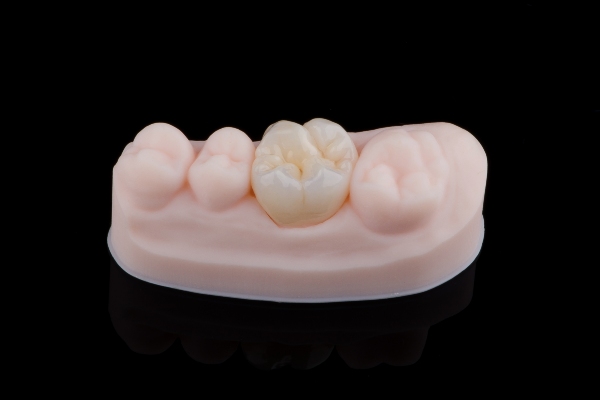
Choosing a dental crown involves balancing aesthetics, durability, and budget to ensure the long-term health of a damaged tooth. While it is natural to feel some hesitation when a dentist recommends a restorative procedure, a crown is one of the the most proven and effective ways to preserve a natural tooth for the future. If you are currently weighing your options, understanding the differences between porcelain, zirconia, and metal can help you choose a material that fits your budget and treatment goals.
When a dental crown is a necessary restoration
A dental crown acts as a protective cover for a tooth that is no longer strong enough to function on its own. When decay or a fracture becomes too large for a standard filling, the tooth is at risk of further damage. In these cases, the crown provides structural reinforcement, allowing a person to chew and speak without pain or fear of future breaks or fractures. Investing in this restoration also prevents the need for more complex treatments, such as tooth extractions or dental implants.
Dental crown materials: How to choose the right option
Porcelain crowns
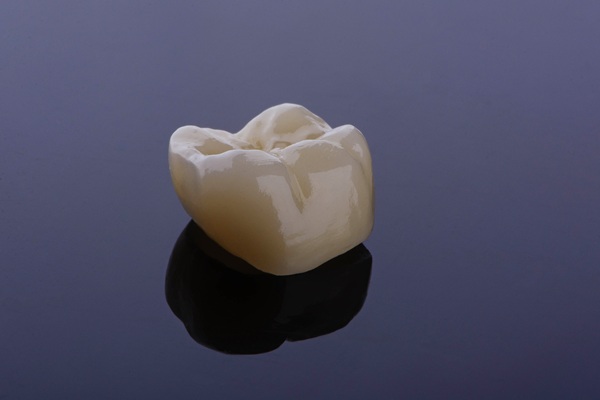
Porcelain is the most common choice of dental crown material for visible teeth. This material mimics the light-reflecting properties of natural enamel, providing a translucency that other materials cannot match. Since porcelain is entirely metal-free, there is no risk of a dark line gradually forming at the gum line. This makes it an ideal solution for front-tooth restorations where the patient wants to maintain a natural-looking smile.
While porcelain is aesthetically pleasing, it is also slightly more brittle than metal or zirconia. It is most effective when used on teeth that do not experience the highest levels of chewing pressure. When considering a porcelain dental crown, patients value the following benefits:
- Blends in with the surrounding natural teeth
- Looks like natural tooth enamel
- Gentle on sensitive gum tissue due to its biocompatibility
- Provides a metal-free option for patients with allergies
- A stain-resistant smooth surface
- Improves the symmetry of the smile
These qualities ensure that the restoration looks natural while providing the necessary protection for the underlying tooth structure.
Zirconia
Zirconia has become a revolutionary option for patients seeking a balance of durability and cosmetic benefits. These crowns are made from the strong material zirconium dioxide, referred to as "ceramic steel." It is an effective choice for the patient's back teeth, such as molars, which must withstand the intense pressure of grinding and chewing tough foods. Zirconia also resists chipping or cracking more effectively than traditional porcelain.
One advantage of zirconia is that it allows for a more conservative treatment. Due to the material's strength, the dentist does not have to remove as much of the natural tooth to fit the crown. This preserves more of the original tooth structure, which is always the goal in restorative dentistry. Zirconia provides a long-lasting, reliable solution for patients who want a crown that is both strong and white.
Metal
Metal crowns, particularly those crafted from gold or metal alloys, remain one of the most durable options in dentistry. Although the metallic color makes them rarely used for front teeth, their performance in the back of the mouth is unmatched. Metal is unique because it wears down at a rate similar to natural tooth enamel, which protects the opposing teeth from excessive wear. These crowns are known for lasting several decades with proper care.
Metal is the preferred choice for patients who have a history of heavy teeth grinding or clenching (bruxism). Because the material is shapeable, it provides a superior fit and seal at the edge of the tooth, which helps prevent future decay. While newer materials like ceramics continue to gain popularity, gold remains one of the most effective materials for long-term structural integrity in the back teeth.
Factors influencing the final selection
Deciding on the right dental crown involves more than selecting a material. It requires a thorough assessment of the patient's mouth and overall oral health. The location of the tooth is one of the key factors, followed by the patient's budget and aesthetic goals.
The dentist will consider the clearance available between the upper and lower teeth. If space is limited, a metal or zirconia crown may be necessary to prevent the material from breaking over time. Additionally, if the opposing teeth have large fillings or their own crowns, the dentist will choose a material that will not damage those surfaces.
Find the right material for your smile
Taking the time to choose the right dental crown material now will give you a confident, healthy smile for many years to come. No matter your choice, the Inna Goykman-Amir DDS team will work with you to find the right material for your specific needs and goals. If you are ready to take the next step in protecting your oral health, contact our Brooklyn office to schedule a consultation.
Request an appointment here: https://www.myddsny.com or call Inna Goykman-Amir DDS at (718) 416-6364 for an appointment in our Brooklyn office.
Check out what others are saying about our dental services on Yelp: Dental Crowns and Dental Bridges in Brooklyn, NY.
Related Posts
A dental crown offers a durable way to protect a damaged tooth while restoring a natural look and full function to a patient's smile. This long-term solution covers a vulnerable area to prevent further breakage or decay. While these restorations are incredibly strong, they require specific care to remain in top shape for a decade…
A dental crown supports and protects a weakened tooth when a filling no longer provides enough coverage or strength. Many patients compare these two restorations and want to understand when each one is recommended. A careful evaluation helps determine the best option for long-term comfort, stability, and oral health. Factors such as decay size, tooth…
A porcelain crown is a versatile dental restoration that protects and preserves damaged, weakened, or decayed natural teeth. By encasing the visible portion of a tooth, a porcelain crown restores its function, strength, and appearance. This treatment effectively saves a natural tooth from further damage, ensuring long-term oral health and maintaining the aesthetics of your…
Dental crowns can treat many different concerns. They can repair damaged teeth, attach to dental implants for teeth replacement, and more. Two of the main types of dental crowns are metal and porcelain crowns. Both are effective solutions, but one may be preferable to another depending on the intended purpose.Your dentist should help you decide…