 Dental crowns are a widely used tooth restoration solution in general dentistry. However, it is common to have questions about crowns if it is your first time getting one. Exploring the answers to these questions is the first step in helping you prepare for an upcoming dental crown appointment.
How do dental crowns restore teeth?
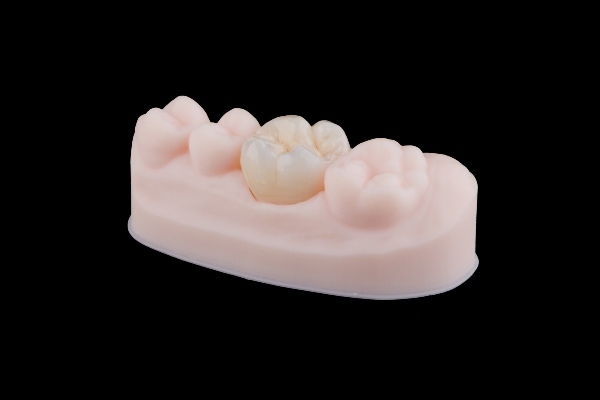
Dental crowns are caps that fully encase the visible portion of a tooth, reinforcing it from all sides. This coverage protects teeth that have been compromised due to decay, fractures, or wear and tear. Dental crowns restore the tooth's shape, size, and strength while also improving its appearance. Additionally, crowns help restore proper bite alignment and improve chewing ability, preventing additional damage to surrounding teeth and reducing strain on the jaw.
What are dental crowns made of?
Dental crowns can be crafted from several different materials, each of which offers unique benefits depending on the location of the tooth and the patient's priorities. Common materials include:
- Porcelain or ceramic. Due to these materials’ ability to blend in with natural teeth, they are often used for front teeth due to their natural tooth-colored appearance.
- Porcelain fused to metal (PFM). These crowns combine the strength of a metal base with the look of porcelain.
- Zirconia. The zirconia material is strong and resistant to wear, making it an ideal option for molars to manage everyday biting forces.
- Gold or metal alloys. Known for their durability and biocompatibility, these are often used in back teeth where strength and function are top concerns.
The selection depends on factors such as location, bite force, preferences for smile appearance, and budget. A general dentist can discuss which option may be best for a particular dental condition.
What is the process behind getting a crown?
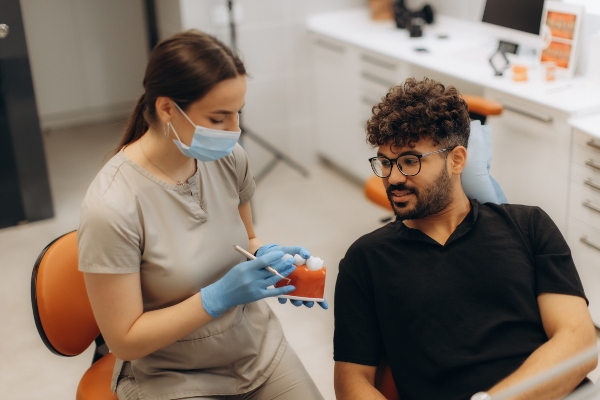
The process behind dental crowns typically involves two dental visits. During the first appointment, the general dentist prepares the tooth by removing any decay and reshaping it to accommodate the crown. Then, they will take impressions or digital scans to create a model, which is sent to a dental laboratory for fabrication. A temporary crown is placed to protect the tooth in the meantime. Some dental offices also offer same-day crowns, which can be fabricated in the office, eliminating the need for a temporary crown.
At the second visit, the dentist will carefully fit the permanent crown onto the prepared tooth. They will adjust it to ensure the patient can bite carefully before cementing it into place. The entire process is designed to restore the tooth's function and appearance with minimal disruption the patient's chewing and biting habits.
How can I keep my dental crown in good condition?
Maintaining a dental crown takes consistent oral hygiene and mindful habits. Daily brushing and flossing help prevent decay and gum disease, especially around the crown's margins, where plaque can accumulate. Avoiding hard, sticky foods and habits like opening packages with one's teeth can extend the crown's lifespan. Regular dental checkups with a general dentist also help ensure the crown and surrounding teeth remain in good condition.
Do you have more questions for the Inna Goykman-Amir DDS team?
Getting a dental crown is a routine dental restoration. However, the Inna Goykman-Amir DDS team understands that it can feel confusing when you first hear you need one. We are here to answer any questions you may have about dental crowns. Contact us at our Brooklyn office today to schedule an appointment.
Request an appointment or call Inna Goykman-Amir DDS at 718-416-6364 for an appointment in our Brooklyn office.
Related Posts
When treating a damaged tooth, patients commonly choose between dental fillings and crowns to restore function and appearance. Dental crowns are especially valuable when extensive damage compromises tooth integrity. Understanding the differences between these two restorative options helps patients make informed decisions about maintaining optimal oral health.Dental fillings repair teeth damaged by decay, cavities, or…
Dental crowns are one of the most effective restorative solutions for cracked or fractured teeth. These custom-fitted caps strengthen damaged teeth, restore normal function, and protect against further complications. Dental crowns offer a reliable and long-term option to preserve the natural tooth structure and maintain a healthy smile when a tooth is compromised due to…
When severe tooth decay compromises tooth structure, general dentists often recommend dental crowns as an effective restorative solution. Dental crowns play a crucial role in treating advanced decay by providing strength, protection, and improved aesthetics. Unlike fillings, which address minor cavities, dental crowns cover the entire visible surface of a damaged tooth, significantly extending its…