Invisalign Or Traditional Braces, Which Should I Choose?
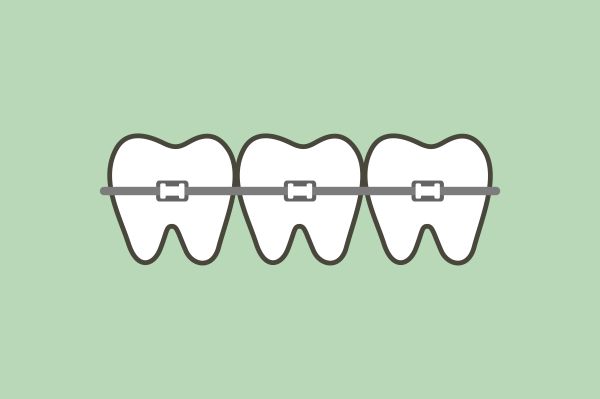
Patients now have more choices than ever before regarding orthodontic treatment. Invisalign, ceramic bridges, traditional metal braces, and Damon braces are all useful for fixing all types of teeth misalignment. The most common choices are Invisalign and metal braces. Note that Invisalign is not for everyone, but braces are suitable for most corrections.
How Do I Know the Best Option for Me?
Appearance
Invisalign would be the winner if the criterion were appearance because it is transparent. Invisalign is made of clear alignment trays that blend in your teeth shape, which is entirely transparent and thus hard to spot. In contrast, braces are made of metal brackets and wires for correction and are glaring. If you are conscious about your appearance, you may choose Invisalign instead.
Alignment Severity
Invisalign makes minor changes to the teeth’s structure, but it is not the best option for complex orthodontic conditions. If your teeth only need minor straightening or adjustment, then Invisalign might be the best option. However, in severe cases like overcrowding, turned teeth, large teeth gaps, then braces are the most effective and quicker option.
Duration of Treatment
Since Invisalign is suitable for minor issues, it does not stay as long as braces. Invisalign typically continues for 6 to 18 months, while braces can stay on as long as 18 to 36 months.
Comfortability
Since Invisalign is a collection of trays formed into a right fit for the teeth, it gently pushes the teeth into the proper position after a while and is mostly painless. Braces are made from metal wire and firm brackets to induce pressure on the teeth and change their position quickly. They are therefore not as comfortable as Invisalign due to the friction and pressure.
Cleaning
This is entirely dependent on the patient. Patients must remove Invisalign before eating or drinking to avoid staining them. You also have to brush before reinstalling them. Braces do not need this. Patients only have to brush and floss regularly because wires and brackets can trap particles easily.
Discipline
The two options need discipline and care. Patients with braces must avoid foods like popcorn, gum, and apples because they can be trapped in the wires or bracket easily. Patients must also be prepared to wear Invisalign trays for at least 20 hours daily, to ensure there the proper results are attained.
The frequency of Dental Appointments
There is no difference between the two. You are expected to book appointments with your dentist monthly, regardless of the option you choose. The difference is that Invisalign trays have to be changed fortnightly while braces will only need to be tightened during the dentist appointment.
The Cost
Invisalign are typically more expensive than braces, usually 20 to 50 percent more. You can talk to your dentist to know what to expect.
Here’s the bottom line
When torn between Invisalign and braces, examine the factors and decide which would be the best choice for you. If you are still confused, your dentist will be able to make a good recommendation after examining your condition.
Request a dental appointment here: https://www.myddsny.com or call Inna Goykman-Amir DDS at (718) 416-6364 for an appointment in our Brooklyn dental office.
Related Posts
Understanding how to care for your clear braces is necessary in order for them to do the job they are supposed to do: straighten your teeth. When you decide that you need to wear braces so you can benefit from having straighter teeth, it means that you are making a commitment to the teeth straightening…
Taking the time to search online to find a dentist who accepts your insurance plan saves you time, money, and stress. Choosing an in-network general dentist means your insurer negotiates fees directly with the practice, typically leading to lower out-of-pocket costs for routine dental care, from preventive exams to restorative treatments.A dental insurance plan may…
When treating a damaged tooth, patients commonly choose between dental fillings and crowns to restore function and appearance. Dental crowns are especially valuable when extensive damage compromises tooth integrity. Understanding the differences between these two restorative options helps patients make informed decisions about maintaining optimal oral health.Dental fillings repair teeth damaged by decay, cavities, or…
A sudden toothache, broken tooth, or swollen gum can turn an ordinary day into a stressful situation, making an emergency dentist an important resource. Some dental concerns can wait for a scheduled visit, but others need fast care to relieve pain and protect the tooth. Knowing what counts as a dental emergency can help patients…