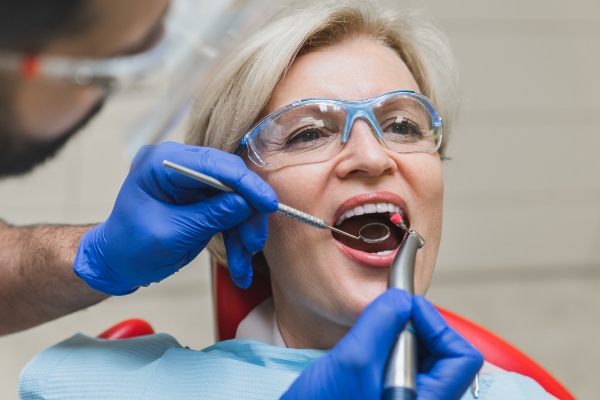
A dental emergency can happen at any time. Fortunately, an emergency dentist provides immediate treatment to alleviate pain, prevent potential complications, and restore oral health. Delaying treatment can lead to further damage, making it essential to address issues as soon as they occur. Below are five reasons to visit an emergency dentist.
1. Severe tooth pain
Persistent or intense tooth pain can indicate an underlying oral health issue that requires immediate attention. Causes of dental pain may include:
- Loose or damaged dental restorations
- Large or deep cavities
- Oral infections
- Cracked or broken teeth
- Moderate to severe gum disease
An emergency dentist can diagnose the problem and provide appropriate treatment to relieve the patient's discomfort. Ignoring severe tooth pain may lead to complications such as abscess formation or the need for more invasive procedures.
2. Knocked-out tooth
Accidents, falls, or sports injuries can result in a knocked-out tooth. Patients should seek immediate care from an emergency dentist to increase the likelihood of saving the tooth and successful reimplantation. To further increase the chances of success, patients must handle the tooth with care, such as keeping it moist in milk and avoiding touching the root. If possible, they can try reinserting the tooth into its socket and keeping it in place by biting on clean gauze. Calm and quick action can help prevent permanent tooth loss and maintain oral function.
3. Broken or chipped tooth
A fractured or chipped tooth can occur due to biting on hard objects, trauma, or underlying dental issues. Even minor chips can weaken the tooth and lead to further damage. Depending on the severity of the damage, the emergency dentist can restore the tooth with dental bonding, veneers, or crowns. Addressing the issue as soon as possible helps prevent further damage and infection while maintaining the appearance of the patient's smile.
4. Dental abscess or infection
A dental abscess is a painful infection that develops at the root of a tooth or in the gums. Symptoms include:
- Intense toothache or gum pain
- Swelling and redness inside the mouth
- Increased sensitivity to hot or cold food and drinks
- A swollen face or jaw
- High fever
- Difficulty opening the mouth or chewing food
- A bad taste in the mouth that does not go away
If left untreated, the infection can spread to other parts of the body, leading to serious health complications. The emergency dentist can drain the abscess and prescribe antibiotics. Additionally, they may recommend further treatment to eliminate the infection and protect overall health.
5. Lost or damaged dental restorations
Fillings, crowns, and bridges help protect teeth and restore their chewing and biting function. If a dental restoration becomes loose, falls out, or breaks, the tooth can become vulnerable to decay and sensitivity. The emergency dentist can repair or replace the restoration to stop further damage and discomfort. Getting immediate care helps the dental work last longer and prevents other problems.
Do not wait to get help
When faced with a dental emergency, an emergency dentist can make a significant difference in preserving your smile. Do not wait to get help. Call our Brooklyn office today to schedule an appointment.
Request an appointment or call Inna Goykman-Amir DDS at 718-416-6364 for an appointment in our Brooklyn office.
Related Posts
An emergency dentist provides urgent care for individuals experiencing sudden dental issues that require immediate attention. Understanding what qualifies as a dental emergency can help patients determine when to seek professional help. While some dental problems may seem urgent, others can be addressed with routine care. Whether due to a sudden injury, severe pain, or…
An emergency dentist offers urgent and specialized care for unplanned dental issues, especially when severe pain or sudden trauma requires immediate attention. These situations can feel overwhelming and may raise many questions about what to expect and how to prepare. Therefore, it is good to have a list of questions to ask before arriving at…
An emergency dentist can provide immediate care, and being prepared can help protect your teeth and alleviate pain while waiting for treatment. Whether you are dealing with a knocked-out tooth, severe pain, or a broken filling, having a plan in place can prevent further damage. Knowing how to manage a dental emergency before it occurs…