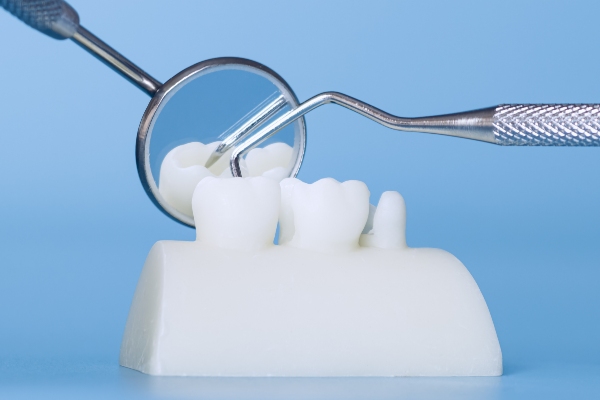
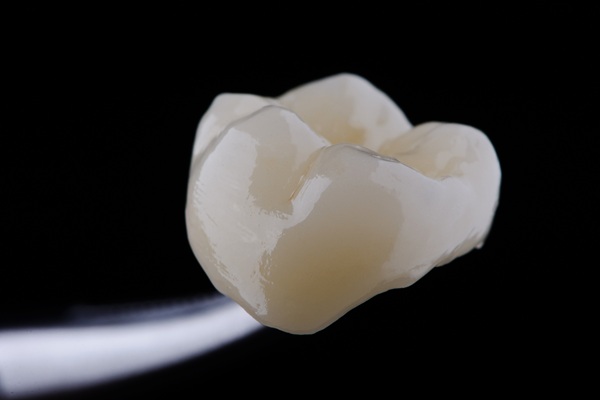
 Dental crowns are custom-made caps placed over damaged or weakened teeth to restore strength, appearance, and function. General dentists often recommend dental crowns to prevent further deterioration of a damaged tooth and improve the patient's oral health. It is important to recognize when you may need a dental crown, get the treatment you need on time, and keep your natural teeth healthy.
1. Cracked or broken teeth
Teeth that are cracked or broken may be structurally compromised and vulnerable to further damage. When a tooth is beyond repair with a dental filling, a dental crown offers additional protection. By covering the entire surface of the tooth, the crown shields it from pressure while biting and chewing food, reducing the risk of additional damage. In cases where a tooth crack extends below the gumline, a dental crown can prevent infection or the need for extraction.
2. Extensive tooth decay
A filling may not provide adequate support if a tooth is significantly damaged and affects a large portion of its structure. In such situations, dental crowns can reinforce the tooth and prevent it from breaking. A dental crown restores the tooth's shape and function, allowing the patient to chew and speak normally while preserving their natural alignment. This treatment is particularly common after removing a large cavity that weakens the tooth.
3. Large fillings that compromise tooth integrity
Teeth with large fillings are more susceptible to fractures due to losing a portion of the natural structure. Over time, these teeth may experience stress from daily use, causing the filling to loosen or the tooth to crack. Dental crowns offer a long-term solution by covering the entire tooth and evenly distributing chewing and biting pressure. This restoration can extend the life of the tooth and minimize the risk of further complications, such as nerve exposure or infection.
4. Root canal treatment
Teeth that have undergone root canal treatment are more brittle due to removing the pulp and nerve tissue. Without proper reinforcement, these teeth are at a higher risk of cracks and fractures. Placing dental crowns on root canal-treated teeth is a common practice to provide protection and restore their functionality. The crown acts as a durable barrier against damage, ensuring that the tooth remains functional and strong for years to come.
5. Severely worn teeth
Teeth worn down from chronic grinding (bruxism), acid erosion, or aging may lose shape, height, and overall function. Severely worn teeth can cause bite misalignment, jaw discomfort, and cosmetic issues. Dental crowns can rebuild the surface of these teeth and restore the patient's bite alignment. It can also improve the appearance of their smile. Crowns improve overall oral function and health, preventing further damage to the patient's smile.
Call our office to schedule a consultation
Dental crowns are a valuable restorative option for those looking to repair their teeth. With the right care, crowns can provide lasting protection and support a healthier smile. Call our Brooklyn office to learn more about our restorative dental options or to schedule a consultation.
Request an appointment or call Inna Goykman-Amir DDS at 718-416-6364 for an appointment in our Brooklyn office.
Related Posts
Dental crowns aim to protect damaged or weakened teeth from additional deterioration and wear. While these restorations are durable, they can last even longer with the right care and maintenance. Whether placed to protect a tooth after a root canal or to cover a dental implant, crowns require consistent care to maintain their design's effectiveness.Maintaining…
Dental crowns protect teeth and improve their appearance, but over time, they may become worn, loose, or damaged. Replacing dental crowns is a common procedure that helps maintain the health of the mouth and the strength of the smile. A general dentist can guide patients through each step with care and attention.A general dentist will…
Dental crowns can restore severely damaged teeth so that you can smile with confidence. Beyond aesthetics, they also reinforce the bite in strength and function. If you think you need a dental crown or are recommended one after a root canal, learning the step-by-step process of getting one can help you feel at ease.General dentists…