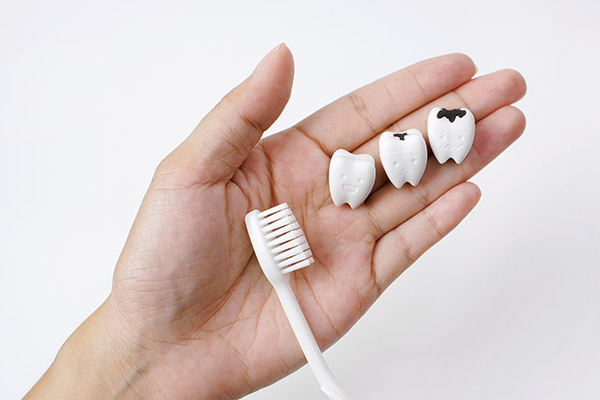
Good dental practice stresses that developing cavities is a common health issue. Cavities affect the elderly, adults, teenagers, and children. The accumulation of bacteria results in plaque. Because plaque is sticky, it keeps pouring acids on teeth. This destroys the enamel layer. When this happens, cavities appear in the form of holes in teeth.
Causes
Cavities come from the process of tooth decay. Bacteria are present in the mouth, feeding on carbohydrates present in food. If thorough cleaning does not happen, bacteria turn into plaque. The acids from sticky plaque corrode the enamel. Then, holes or cavities develop. Without proper intervention from a dental practice, tartar or dental calculus develops.
Signs and symptoms
Every person has a different set of signs and symptoms for cavities. Some people do not feel anything at all, especially during the early stages. As the cavities develop, the patient may feel some tooth sensitivity. There might also be sudden dental pain and dental staining. Visible holes then appear on the teeth. Once there is dental pain, it is a good idea to see a dental practice.
Complications
Because tooth decay and cavities are too common, people usually dismiss them. Cavities are serious. Without early treatment, they develop complications, such as chewing problems and tooth loss. Some people also experience extreme dental pain and broken teeth. Patients should go to the nearest dental practice before pus or a tooth abscess develops.
Prevention
This is always better than cure. Good personal dental hygiene helps a lot. Working with a good dental practice elevates the level of dental health. With proper preventive measures, anyone can keep cavities at bay.
Regular dental visits
Professional dental exams and cleanings can help keep cavities from forming. Regular dental exams enable dentists to see any cavity formation. Dentists can remove plaque and tartar with a scaler. They also use fillings to treat cavities, preventing them from getting worse. Extra treatments can polish and protect teeth from bacterial adherence.
Antibacterial dental treatments
The dental practice can offer dental antibacterial treatments. These can help patients who are susceptible to cavities. Certain medical conditions weaken the body’s defense against bacterial infections. With antibacterial mouth rinses, dentists can reduce bacteria in the mouth.
Brushing with fluoride
Using fluoride toothpaste when brushing teeth can help in the fight against cavities. Brushing after every meal removes food particles and bacteria from the mouth. Fluoride-rich toothpaste controls the growth of bacteria. After brushing, traces of fluoride can protect teeth and gums from bacteria.
Eating and drinking
Sugary foods and drinks tend to speed up bacterial proliferation in the mouth. Cutting down on these products may be difficult but necessary. Vegetables and fruits stimulate the production and flow of saliva. Water, sugar-free gum, and unsweetened coffee flush out food particles from the mouth.
Your dental practice can help treat and prevent cavities
Cavities can develop into more serious dental problems. You can help prevent cavities through consistent personal dental care practices. Your dental practice can elevate your dental help through treatments and exams. Once any dental pain or stains become obvious, seeing your dentist right away can prevent any issues from getting worse. Treating and preventing cavities can ensure your optimal health.
Related Posts
Flossing is an essential oral hygiene habit, and your dental practice can show you the right way to do it. The process can dislodge bits of plaque and food stuck between the teeth. That reduces the plaque and bacteria buildup, preventing cavities and decay. Many people brush the teeth, but flossing is not as common.…
Visiting a dental practice is an important way of protecting your teeth from decay and cavities. Many people have oral health conditions and do not get regular care. But dental practice visits are crucial in finding issues with the teeth early on so that treatment can begin. Keep reading to learn more about why you…
Patients should keep on top of dental practice visits to prevent common oral issues. Gum disease affects many people, and it is essential to care for the gums and teeth early on. Getting an exam and cleaning is about more than just finding cavities. Instead, the dentist can catch a range of oral health issues.…