Dental Crown vs. Filling: Which Is the Better Option?
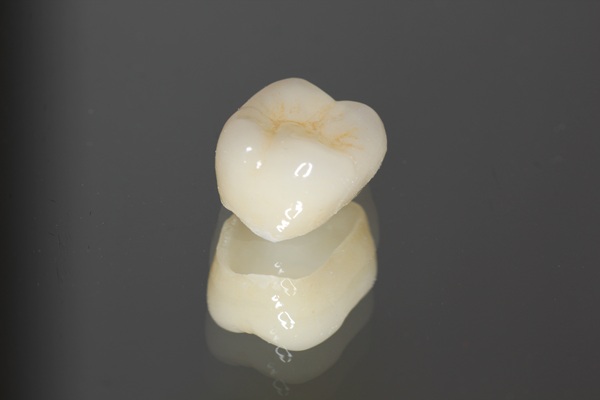
A dental crown supports and protects a weakened tooth when a filling no longer provides enough coverage or strength. Many patients compare these two restorations and want to understand when each one is recommended. A careful evaluation helps determine the best option for long-term comfort, stability, and oral health. Factors such as decay size, tooth structure, bite forces, and cosmetic goals influence whether a dental crown or filling offers the most reliable outcome. With the right treatment plan, the restored tooth functions comfortably and blends naturally with surrounding teeth.
How a filling restores a tooth
A filling repairs a tooth when decay or damage remains small and contained. The dentist removes the affected area, shapes the space, and places a tooth-colored material that bonds securely to the surrounding enamel. This restoration works best when a significant amount of healthy tooth structure remains to support the repaired area. Fillings help restore normal chewing, improve comfort, and prevent bacteria from entering deeper layers of the tooth. Composite materials match natural enamel tones, which allows the repaired area to blend with nearby teeth. A filling offers an efficient solution for minor cavities and helps prevent more extensive treatments when placed early.
When a tooth needs a dental crown instead
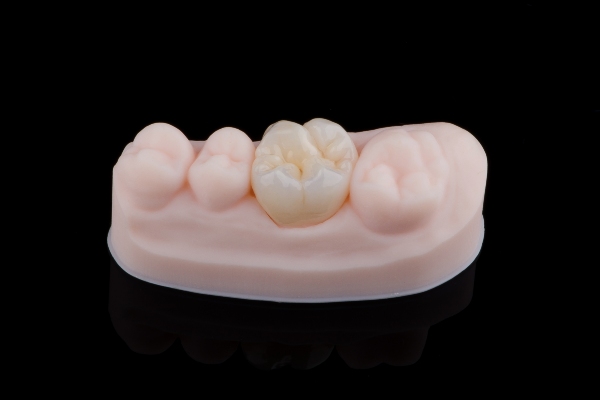
A dental crown becomes the preferred option when damage extends beyond what a filling can support. Teeth with large fractures, worn surfaces, or extensive decay often require full-coverage protection. A crown surrounds the entire tooth, restoring strength, shape, and stability. This coverage helps the tooth withstand daily chewing forces, especially in molars, where pressure remains highest. A crown also supports teeth weakened by root canal therapy or multiple previous fillings.
By encapsulating the tooth, the restoration reduces the risk of future fracture and supports long-term function. Dentists choose ceramic, porcelain-fused-to-metal, or zirconia materials based on each patient's durability needs and cosmetic goals. Key reasons a dental crown becomes the better option include:
- Large fractures or decay that compromise natural strength
- Teeth weakened by previous restorations or root canal therapy
- Need for improved durability in areas exposed to heavy chewing forces
A dental crown often provides longer-lasting reinforcement than a filling because it covers the entire tooth rather than filling isolated spaces.
Comparing longevity and maintenance
Fillings and crowns both protect teeth, but they differ in lifespan, durability, and maintenance needs. A filling can last several years when placed on a small, stable area of the tooth. Chewing forces, grinding habits, and the size of the restoration influence how long it remains secure. Larger fillings face a greater risk of cracking, leakage, or repeated replacement.
A dental crown generally offers greater longevity because it surrounds the full tooth and distributes pressure more evenly. Crowns can remain strong for many years with consistent oral hygiene and routine dental visits. Both options require daily brushing and flossing, as well as periodic examinations, to ensure continued stability. Early detection of wear, fracture risk, or gum changes helps preserve the restored tooth and prevent future complications. Patients also weigh the long-term value of each restoration. A crown usually involves a higher upfront fee, but its extended lifespan often offsets the cost of repeated filling replacements.
When a large filling fails, the tooth may require a more complex procedure, which increases future costs and treatment time. By choosing a crown at the right stage, patients support the tooth structure, reduce the likelihood of emergency visits, and protect neighboring teeth from additional stress. This proactive approach encourages fewer major interventions over a lifetime and helps patients feel more confident that their investment supports both comfort and appearance. Many patients also appreciate how choosing the correct restoration early reduces the risk of future complications and supports a more predictable long-term treatment plan.
Choosing the right restoration for your oral health
A dentist evaluates tooth structure, severity of decay, bite alignment, and long-term goals before recommending a dental crown or filling. When only a minor cavity exists, a filling restores the tooth efficiently while preserving healthy enamel. When damage threatens the structural integrity of the tooth, a crown offers more predictable protection. Each option supports oral health differently, and selecting the appropriate restoration leads to better outcomes over time. With proper planning, patients receive solutions tailored to functional needs, cosmetic preferences, and the long-term stability of the smile. For more information or to schedule an appointment, call our office.
To schedule a consultation, please request an appointment on our website at https://www.myddsny.com or call Inna Goykman-Amir DDS at (718) 416-6364 to arrange an appointment at our Brooklyn office.
Check out what others are saying about our dental services on Yelp: Dental Crowns and Dental Bridges in Brooklyn, NY.
Related Posts
A dental crown offers a durable way to protect a damaged tooth while restoring a natural look and full function to a patient's smile. This long-term solution covers a vulnerable area to prevent further breakage or decay. While these restorations are incredibly strong, they require specific care to remain in top shape for a decade…
Choosing a dental crown involves balancing aesthetics, durability, and budget to ensure the long-term health of a damaged tooth. While it is natural to feel some hesitation when a dentist recommends a restorative procedure, a crown is one of the the most proven and effective ways to preserve a natural tooth for the future. If…
A porcelain crown is a versatile dental restoration that protects and preserves damaged, weakened, or decayed natural teeth. By encasing the visible portion of a tooth, a porcelain crown restores its function, strength, and appearance. This treatment effectively saves a natural tooth from further damage, ensuring long-term oral health and maintaining the aesthetics of your…
Dental crowns can treat many different concerns. They can repair damaged teeth, attach to dental implants for teeth replacement, and more. Two of the main types of dental crowns are metal and porcelain crowns. Both are effective solutions, but one may be preferable to another depending on the intended purpose.Your dentist should help you decide…