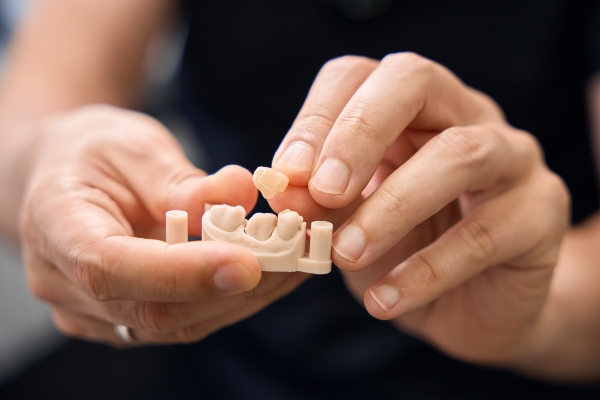
Dental crowns are important in modern dentistry because they protect and support weak or damaged teeth. General dentists often suggest using crowns for damaged teeth that fillings cannot address. Whether due to decay, trauma, or structural issues, crowns help restore the tooth's function and appearance. They also prevent further damage to your smile and oral health.
Why weak or damaged teeth need additional protection
Natural teeth are made of enamel, which is calcified phosphate crystals and the hardest substance in the human body. They are designed to withstand everyday chewing and biting forces. However, they are not invincible. When a tooth becomes structurally weakened due to untreated cavities, root canal treatment, injuries, or fractures, it becomes more susceptible to additional damage or breakage.
The benefits of dental crowns
Aesthetically pleasing
Dental crowns not only reinforce compromised teeth but also restore the appearance of the patient's smile. Teeth that are severely discolored, misshapen, or worn down can regain a natural appearance through dental crowns. This restoration is particularly beneficial for front teeth, where patients' cosmetic concerns are more prominent.
Increases the chance of successful root canal treatment
Dental crowns also protect the tooth's inner pulp from further damage and infection. When a tooth undergoes a root canal procedure, the dentist removes the infected pulp. Over time, the treated tooth can become brittle and vulnerable to further damage. Placing a dental crown on the treated tooth prevents breakage and increases the chance of a successful treatment outcome.
Protects teeth with large fillings
Similarly, teeth with large fillings may not have enough natural structure to support the patient's oral function. Dental crowns are designed to fully cover the damaged tooth, providing additional strength and stability. By reinforcing the tooth, a dental crown not only restores the natural function of the tooth while also minimizing the risk of further damage.
How dentists place dental crowns
The process of placing a dental crown typically involves reshaping the damaged tooth to accommodate the crown's structure. Once reshaped, the dentist will send impressions of the tooth to an off-site dental lab to fabricate a custom-made crown that matches the size, shape, and color of the surrounding teeth. Materials such as porcelain, ceramic, metal, or a combination are often used, depending on the patient's specific needs and the tooth's location.
Additionally, the dentist can use dental crowns to anchor dental bridges, which replace missing teeth by spanning the gap between healthy teeth. In this capacity, crowns provide additional support and stability to the restoration. Furthermore, crowns can be placed on top of dental implants, completing the tooth replacement and restoring full oral function.
Caring for dental crowns
Similar to natural teeth, dental crowns are designed to last. However, proper care and maintenance can extend their longevity. Although the crowns themselves resist decay, the underlying tooth structure remains vulnerable. Good oral hygiene, including regular brushing, flossing, and professional dental check-ups, preserves both the crown and the natural tooth it protects. It also lowers the risk of gum disease and other damage around the crown placement site.
Protect your smile with dental crowns
If you are looking for a reliable way to protect your smile, a dental crown may be the restoration for you. Inna Goykman-Amir DDS is here to answer any questions you may have about the process. Call our Brooklyn office to learn more or to schedule a consultation.
Request an appointment or call Inna Goykman-Amir DDS at 718-416-6364 for an appointment in our Brooklyn office.
Related Posts
When treating a damaged tooth, patients commonly choose between dental fillings and crowns to restore function and appearance. Dental crowns are especially valuable when extensive damage compromises tooth integrity. Understanding the differences between these two restorative options helps patients make informed decisions about maintaining optimal oral health.Dental fillings repair teeth damaged by decay, cavities, or…
Dental crowns are one of the most effective restorative solutions for cracked or fractured teeth. These custom-fitted caps strengthen damaged teeth, restore normal function, and protect against further complications. Dental crowns offer a reliable and long-term option to preserve the natural tooth structure and maintain a healthy smile when a tooth is compromised due to…
When severe tooth decay compromises tooth structure, general dentists often recommend dental crowns as an effective restorative solution. Dental crowns play a crucial role in treating advanced decay by providing strength, protection, and improved aesthetics. Unlike fillings, which address minor cavities, dental crowns cover the entire visible surface of a damaged tooth, significantly extending its…