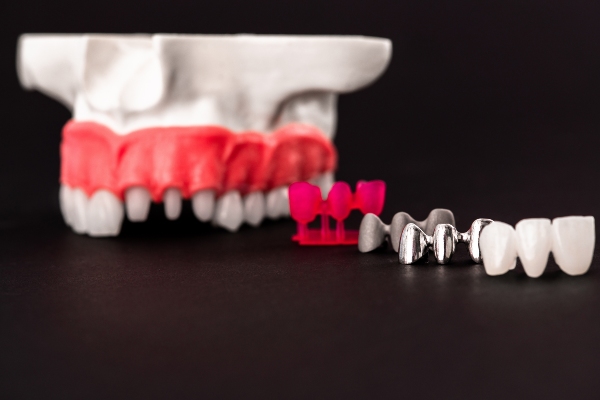
Dental crowns are essential restorations used to protect, strengthen, and improve the appearance of damaged or weakened teeth. Among the various materials available, zirconia and porcelain are two of the most commonly used options. Each type of crown has unique characteristics and drawbacks. It is essential to understand their differences when selecting the right restoration for your specific needs and preferences.
Material composition and strength
Zirconia dental crowns comprise zirconium dioxide, a durable ceramic material known for its strength and resistance to wear. This high-performance ceramic is ideal for patients who require restorations that can withstand biting and chewing forces, such as those on the back teeth (molars). Dentists recommend zirconia crowns for the molars due to their durability.
In contrast, porcelain crowns are typically crafted from layered ceramic materials. While porcelain has a natural appearance, it is generally more brittle than zirconia. As a result, porcelain crowns are more suitable for front teeth, where cosmetic considerations are a priority, and there is less need for durability when biting and chewing food.
Cosmetic considerations
Patients and dentists value porcelain dental crowns for their ability to replicate the natural translucent qualities of tooth enamel. The dentist can closely color-match the material to the patient's surrounding teeth, making them a preferred choice for visible areas of the mouth. The natural appearance of porcelain crowns makes it difficult for other people to distinguish dental prosthetics from real teeth.
While zirconia crowns look nice, they tend to be more opaque than porcelain. Fortunately, recent advancements in dental technology have led to the development of layered and translucent zirconia options that offer improved visual appeal. Modern zirconia crowns can closely mimic the natural look of teeth. However, most regard porcelain as the superior option for patients to achieve a natural-looking smile.
Longevity and durability
When it comes to longevity, zirconia dental crowns typically have a longer lifespan due to their strength and resistance to wear. They are less likely to crack, chip, or fracture under pressure, making them a long-lasting choice for many patients.
In contrast, porcelain crowns are more prone to chipping and wear over time. This is particularly true when the dentist places them on teeth that patients heavily use when chewing. Their longevity can be improved through proper care and regular dental checkups, but they generally do not match the strength and durability of zirconia crowns.
Biocompatibility and patient comfort
Both zirconia and porcelain crowns are biocompatible, which means they are safe for use in the human body and rarely cause allergic reactions. However, zirconia has a slight advantage over porcelain in terms of being less abrasive to the surrounding teeth. Modern zirconia is polished and refined to reduce wear on nearby natural teeth. This helps improve patient comfort.
Learn more about Inna Goykman-Amir DDS’s dental crown options
Whether you choose zirconia or porcelain dental crowns, they can help you restore your smile and protect it from further decay. Would you like to learn more about Inna Goykman-Amir DDS's dental crown options? Call our Brooklyn office and schedule a consultation.
Request an appointment or call Inna Goykman-Amir DDS at 718-416-6364 for an appointment in our Brooklyn office.
Related Posts
A dental crown often gains attention for its ability to create a beautiful smile, but its true value extends far beyond appearance. This restoration reinforces weakened teeth and chewing function while preserving overall oral health when placed thoughtfully by a general dentist. Understanding the restorative role of crowns helps patients appreciate their long-term benefits and…
A dental crown acts like armor for vulnerable tooth structures, but even the strongest restoration experiences stress over time. Recognizing early warning signs prevents cracks from progressing into fractures that threaten oral health. Here are five that warrant a trip to the general dentist.Prolonged pain or sensitivity is never normal and always indicates an underlying…
Dental crowns and fillings are two of the most common dental restorations. Fillings are effective at restoring teeth with minimal damage, but they have their limitations. For teeth that need more extensive repairs, a dental crown is a top choice. Learning more about the different capabilities of these dental restorations can make it clear why…