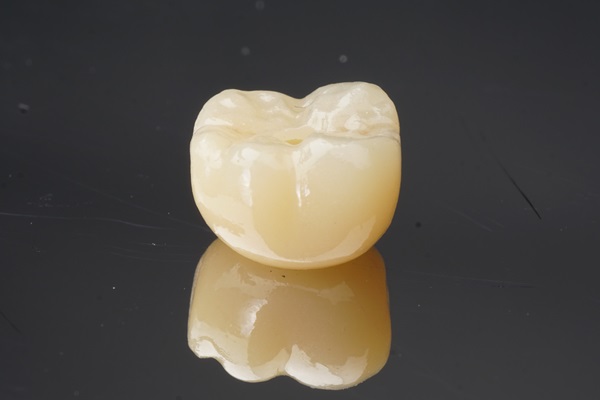
Dental crowns can treat many different concerns. They can repair damaged teeth, attach to dental implants for teeth replacement, and more. Two of the main types of dental crowns are metal and porcelain crowns. Both are effective solutions, but one may be preferable to another depending on the intended purpose.
A review of two types of dental crowns
Your dentist should help you decide on the best type of dental crowns, and everyone may have a different idea as to which is the best solution. Read on to learn more about the advantages and drawbacks of two types of dental crowns.
What are dental crowns?
Dental crowns, also called dental caps, are dental restorations that are placed over existing teeth or attached to a dental implant to repair dental damage or replace missing teeth. Several of the more common concerns that dental crowns can address include:
- Chips and cracks
- Worn-down teeth
- Severe stains
- Misshapen teeth
- Missing teeth
Dental crowns improve the appearance, function, feel, and health of a tooth by restoring the size and shape and protecting any damaged parts from further harm. Many dentists also place dental crowns after root canal therapy.
Types of dental crown materials
There are multiple types of dental crowns for patients to choose from. Each option has unique benefits and potential drawbacks. The most common types of dental crowns are porcelain, porcelain-fused-to-metal, metal alloy, and gold alloy.
Porcelain crowns are a great choice for front teeth as they offer better aesthetics because they closely match the shade of natural teeth. Metal crowns, gold crowns, and porcelain-fused-to-metal may not offer the same level of cosmetic benefits, but they offer superior strength and durability. This makes them generally preferable for teeth that are used more for chewing, including the premolars and molars.
How to choose the right type of dental crown
As mentioned, some dental crown materials work better for certain teeth. When deciding which option is most suitable, patients should consider the location of the tooth that is receiving the crown and whether they value appearance or durability more. Each material may have a different cost, as well. Generally speaking, dentists typically recommend metal crowns for teeth used for chewing and which are less visible, and porcelain crowns for front teeth. Porcelain-fused-to-metal offers a unique combination of both.
How the dental crown treatment process works
The treatment process starts with a consultation visit. During the visit, the dentist may take an impression of the tooth, which is used to create the dental crown. This can take several days to several weeks. Once the dental crown returns to the dentist, the patient can come back to the office for dental crown placement.
Schedule a consultation for dental crowns
If you have damaged or missing teeth and want to learn more about dental crowns as a treatment option, contact our dental team today. We are glad to answer your questions and help you with each step of the treatment process, ensuring you are comfortable and informed throughout the treatment.
Request an appointment here: https://www.myddsny.com or call Inna Goykman-Amir DDS at (718) 416-6364 for an appointment in our Brooklyn office.
Check out what others are saying about our dental services on Yelp: Dental Crowns in Brooklyn, NY.
Related Posts
A dental crown supports and protects a weakened tooth when a filling no longer provides enough coverage or strength. Many patients compare these two restorations and want to understand when each one is recommended. A careful evaluation helps determine the best option for long-term comfort, stability, and oral health. Factors such as decay size, tooth…
A porcelain crown is a versatile dental restoration that protects and preserves damaged, weakened, or decayed natural teeth. By encasing the visible portion of a tooth, a porcelain crown restores its function, strength, and appearance. This treatment effectively saves a natural tooth from further damage, ensuring long-term oral health and maintaining the aesthetics of your…
Dental crowns and veneers can both restore the function and appearance of damaged teeth. That damage can take the form of decay, discoloration, chips or cracks, or a crooked appearance. The main difference is that a crown goes over the whole tooth, whereas a veneer only sits on the front. Beyond that, there are pros…
Dentists use dental crowns to preserve the integrity of the remaining natural dental structure. There are cases when cavities keep getting worse. Lack of routine dental checkups and poor dental care can lead to deeper cavities. This often leads to larger fillings with each dental check. If you want to know how dental crowns can…