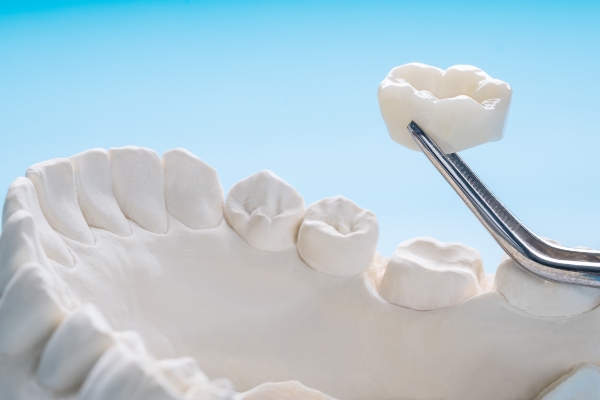
 Dentists often recommend dental crowns after a root canal to provide protection and restore the function of a tooth. A root canal treatment saves a tooth that has become infected or severely damaged, typically by deep decay or trauma. While the root canal procedure can save the natural tooth, the tooth may still be vulnerable to further damage. In such cases, a dental crown plays an essential role in restoring the tooth's strength, structure, and appearance. Below are three reasons why this restoration is necessary.
1. Dental crowns provide protection and durability
While a root canal can remove the immediate threat of infection and decay, it often leaves the tooth's remaining structure compromised. The procedure removes the infected pulp from the inside of the tooth, leaving it hollow and more susceptible to breakage. Without proper protection, the tooth may become brittle and fracture, especially when chewing or biting down. A dental crown acts as a cap that covers the entire tooth, providing an extra layer of protection. This helps prevent the tooth from cracking or breaking while restoring its strength, allowing it to function properly for daily activities like eating and speaking.
Dental crowns also offer long-lasting durability. Made from materials such as porcelain, ceramic, or metal, crowns can withstand the pressure of chewing and protect the underlying tooth from further damage. By sealing the tooth completely, a crown ensures that the tooth remains functional and structurally sound for many years to come.
2. Dental crowns restore a tooth’s appearance
Dental crowns also enhance the appearance of a tooth after a root canal. The tooth may become discolored or darkened after the removal of the pulp, especially if it has been infected for an extended period. A dental crown can restore the tooth's natural color, providing a more aesthetically pleasing appearance.
Porcelain and ceramic crowns are particularly effective for restoring the appearance of front teeth, as they closely mimic the translucency and color of natural teeth. This makes them an excellent option for patients seeking a solution that complements their smile seamlessly. The crown will be custom-made to fit the patient's tooth, ensuring both functionality and visual appeal.
3. Dental crowns help prevent further damage and infection
Possibly the number one reason a general dentist will recommend dental crowns after a root canal is to prevent further damage or reinfection of the tooth. Although the root canal procedure removes the infected tissue, the tooth is still vulnerable to bacteria or decay. A dental crown acts as a protective barrier, reducing the risk of reinfection by sealing the tooth from external contaminants.
Dental crowns also prevent the tooth from becoming more fragile over time. As the tooth continues to heal, it may become prone to further wear and tear. The crown helps ensure that the tooth remains protected from damage caused by regular use, such as grinding or clenching.
Restore your smile after a root canal
Dental crowns play a crucial role in the recovery process following a root canal. Have you recently undergone a root canal and are looking to restore your smile? Contact Inna Goykman-Amir DDS to schedule an appointment.
Request an appointment or call Inna Goykman-Amir DDS at 718-416-6364 for an appointment in our Brooklyn office.
Related Posts
Dental crowns help protect weak or damaged teeth and restore the shape, strength, and appearance of the tooth. A dentist may recommend a crown after a large filling, root canal, or injury. Since each patient has different needs, there are many types of crowns to choose from.Porcelain crowns are often chosen for front teeth because…
While dental crowns help protect and restore damaged teeth, they can become loose over time. Knowing what to do when this happens can help prevent pain or further damage. A loose crown may feel strange, affect chewing, or even fall out. However, acting quickly and visiting a general dentist can help fix the problem before…
While dental crowns can last for years with proper care, there are several reasons why they may fall off prematurely, including eating sticky foods and experiencing dental trauma. Make sure to see a general dentist to have the dislodged crown replaced as soon as possible. However, knowing what to do right after it falls off…