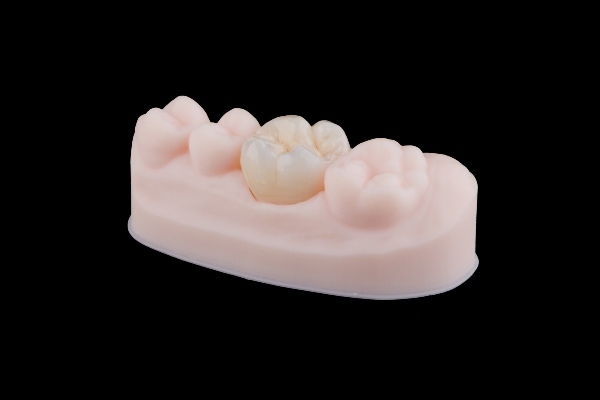
 Dental crowns are a common restorative treatment used in general dentistry. They can restore severely damaged teeth, saving patients from the pain, time, and cost of extraction and replacement. Further, crowns come in a variety of safe, biocompatible materials. Exploring the facts about dental crowns can make you feel more confident in getting one.
Dental crowns: Purposes and types
Dental crowns serve as protective and restorative solutions for teeth weakened by decay, injury, or wear and tear. By covering the entire visible portion of a tooth, a crown restores its structure, function, and appearance. General dentists commonly recommend these restorations for teeth that have been affected by:
- Severe tooth decay and infection
- Severe wear, such as from teeth grinding
- Significant cracks or chips
Several types of dental crowns are available to meet different functional and aesthetic needs. Porcelain crowns are widely used for their lifelike appearance, especially for front teeth. Porcelain-fused-to-metal (PFM) crowns mix strength and aesthetics, making them suitable for both visible and posterior teeth. Zirconia crowns provide exceptional durability, often preferred for molars due to their resistance to wear. Finally, metal crowns, such as those made of gold or other alloys, are known for longevity and biocompatibility, although they are more visible.
How effective are dental crowns at restoring teeth?
Dental crowns are highly effective at restoring both the form and function of damaged teeth. Once placed, a crown reinforces the underlying tooth structure, providing stability for daily activities like chewing and speaking. They extend the life of a tooth that might otherwise be at risk for extraction, especially when damage is extensive. Crowns are also effective in preventing further decay or fracture, as they seal off the compromised tooth from external elements.
Beyond physical reinforcement, dental crowns help correct bite alignment and improve overall oral health. When properly placed and maintained, they can last for a decade or more, offering reliable long-term performance. A general dentist can discuss which type of dental crown would be most effective in restoring a patient’s teeth, such as silver alloy or porcelain.
Which materials are the safest for dental crowns?
Safety is a key consideration in selecting the material for a dental crown. All materials used in crowns are biocompatible, meaning they are safe for use in the body and do not cause adverse reactions in most individuals. Porcelain and zirconia are common options for their strength and compatibility with gum tissue. These materials are also non-reactive and do not contain metal, making them ideal for patients with sensitivities or allergies.
Metal crowns, including gold and alloy options, have been used safely for decades. They offer excellent strength and durability, particularly for molars, and are well-tolerated by soft tissues. Porcelain-fused-to-metal crowns combine the benefits of metal support with the visual appeal of porcelain, though the metal substructure may be visible near the gum line over time. However, as mentioned, patients with metal allergies should opt for non-metal crowns.
Ask a dentist about safe, effective tooth repair
Dental crowns are a safe, effective way to repair damaged teeth. Tooth-colored crowns can also enhance the appearance of the patient’s smile. Contact our Brooklyn team to learn more about crowns, their safety, and their efficacy.
Request an appointment or call Inna Goykman-Amir DDS at 718-416-6364 for an appointment in our Brooklyn office.
Related Posts
When treating a damaged tooth, patients commonly choose between dental fillings and crowns to restore function and appearance. Dental crowns are especially valuable when extensive damage compromises tooth integrity. Understanding the differences between these two restorative options helps patients make informed decisions about maintaining optimal oral health.Dental fillings repair teeth damaged by decay, cavities, or…
Dental crowns are one of the most effective restorative solutions for cracked or fractured teeth. These custom-fitted caps strengthen damaged teeth, restore normal function, and protect against further complications. Dental crowns offer a reliable and long-term option to preserve the natural tooth structure and maintain a healthy smile when a tooth is compromised due to…
When severe tooth decay compromises tooth structure, general dentists often recommend dental crowns as an effective restorative solution. Dental crowns play a crucial role in treating advanced decay by providing strength, protection, and improved aesthetics. Unlike fillings, which address minor cavities, dental crowns cover the entire visible surface of a damaged tooth, significantly extending its…