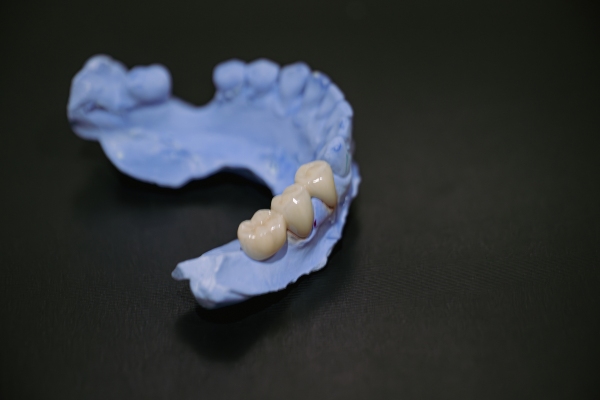
Dental crowns can restore severely damaged teeth so that you can smile with confidence. Beyond aesthetics, they also reinforce the bite in strength and function. If you think you need a dental crown or are recommended one after a root canal, learning the step-by-step process of getting one can help you feel at ease.
Getting dental crowns: A step-by-step guide
General dentists place dental crowns almost every day. Below, walk through this routine procedure step by step.
Dental exam
The process begins with a thorough examination by the general dentist. This step includes an evaluation of the affected tooth, surrounding gum tissue, and oral health. Diagnostic tools such as X-rays may be necessary to assess the tooth’s roots and the underlying bone. This helps the dentist determine whether dental crowns are the appropriate treatment or if another option, such as fillings or onlays, could be a better solution.
Preparing the tooth
If a dental crown is necessary, the general dentist will start preparing the tooth by reshaping it to create enough space for the crown. That way, the crown can fit securely and naturally within the bite. The amount of tooth removed depends on the type of crown. Dental crowns can be metal, porcelain-fused-to-metal, ceramic, or zirconia. In cases where a large portion of the natural tooth is missing, the dentist may use a filling material to build up the core structure before reshaping.
Taking impressions
After preparation, a detailed impression of the reshaped tooth is taken. Impressions are essential to designing dental crowns that fit precisely and blend with the rest of the teeth. Some general dentists use digital scanning technology, which captures a 3D model of the tooth without the need for traditional impression trays. Whether digital or physical, the model is sent to a dental laboratory, where the crown will be fabricated.
Placing temporary dental crowns
It typically takes one to two weeks for dental labs to make dental crowns. In the meantime, a general dentist will place a temporary crown over the prepared tooth. A temporary crown helps protect the exposed tooth structure and maintain the shape of the bite. Made from acrylic or composite material, the temporary crown is secured using a mild adhesive, allowing for easy removal at the next appointment.
Placing permanent dental crowns
Once permanent dental crowns are ready, patients can return for a second appointment to have them placed. During this visit, the general dentist removes the temporary crown and checks the fit and appearance of the permanent one. They check for proper alignment, bite, and color match with surrounding teeth. Minor adjustments may be necessary to achieve optimal comfort and function. Once the patient is satisfied, the dentist uses a strong dental adhesive or bonding agent to secure the crown in place permanently.
Want to learn more about dental crowns?
Dental crowns can save teeth damaged beyond the scope of fillings. Whether you need a crown for a cracked, decayed, or root canal-treated tooth, reach out to our Brooklyn team today. We can set up an appointment that works with your scheduling and oral health needs.
Request an appointment or call Inna Goykman-Amir DDS at 718-416-6364 for an appointment in our Brooklyn office.
Related Posts
When treating a damaged tooth, patients commonly choose between dental fillings and crowns to restore function and appearance. Dental crowns are especially valuable when extensive damage compromises tooth integrity. Understanding the differences between these two restorative options helps patients make informed decisions about maintaining optimal oral health.Dental fillings repair teeth damaged by decay, cavities, or…
Dental crowns are one of the most effective restorative solutions for cracked or fractured teeth. These custom-fitted caps strengthen damaged teeth, restore normal function, and protect against further complications. Dental crowns offer a reliable and long-term option to preserve the natural tooth structure and maintain a healthy smile when a tooth is compromised due to…
When severe tooth decay compromises tooth structure, general dentists often recommend dental crowns as an effective restorative solution. Dental crowns play a crucial role in treating advanced decay by providing strength, protection, and improved aesthetics. Unlike fillings, which address minor cavities, dental crowns cover the entire visible surface of a damaged tooth, significantly extending its…