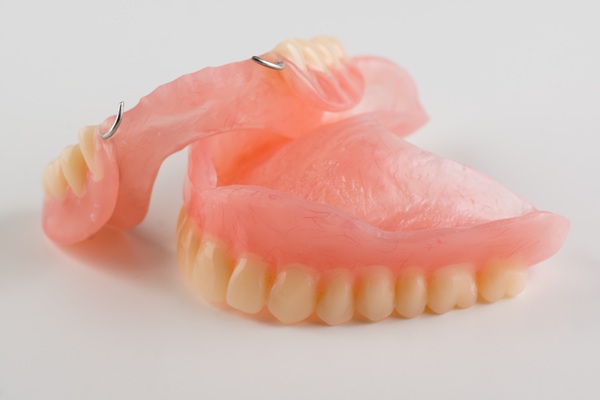
Proper care of dentures ensures a comfortable fit, long-lasting function, and a confident smile. For patients relying on dentures, maintaining oral health extends beyond daily wear—it requires consistent cleaning, timely adjustments, and routine dental evaluations. Understanding the complete denture care plan helps preserve both the appliance and the health of the surrounding tissues.
Daily cleaning to maintain oral health
Patients must clean their dentures thoroughly each day to prevent the buildup of food particles, plaque, and bacteria. These deposits can lead to unpleasant odors, gum irritation, and potential infections if not managed properly. After eating, dentures should be rinsed with lukewarm water to remove loose debris before performing a full cleaning routine.
A soft-bristled brush designed for dentures and a non-abrasive cleanser are essential tools for maintaining their integrity. Traditional toothpaste may be too harsh, leading to surface scratches that harbor bacteria. When cleaning, each section of the denture should be brushed gently, including the underside that rests against the gums. After brushing, dentures should be thoroughly rinsed before reinserting them into the mouth. Regular cleaning not only improves comfort and freshness but also helps prevent staining and unpleasant odors, allowing dentures to maintain their natural appearance and feel throughout daily use.
For overnight care, dentures should be stored in a container filled with a soaking solution or clean water. This keeps the material from drying out and maintains its shape. Avoid using hot water, as it can warp the appliance and alter its fit.
Adjustments for comfort and longevity
Even with excellent care, dentures may shift over time as the natural bone structure and gum tissue change. Regular dental visits allow for professional assessments and necessary adjustments to maintain proper alignment and comfort. Signs that indicate a need for adjustment include sore spots, looseness, or difficulty chewing.
Dentists can reline, rebase, or rework the appliance to restore stability and functionality. Relining reshapes the inner surface for a snug fit against the gums, while rebasing replaces the entire acrylic base without altering the teeth. These processes prevent slipping and improve comfort, allowing patients to continue speaking and eating confidently.
Failing to make necessary adjustments can lead to gum irritation, mouth sores, and changes in facial appearance due to uneven pressure on the jaw. Scheduling an annual denture evaluation helps prevent these issues and ensures optimal performance.
Maintenance for long-term success
Maintaining dentures is an ongoing process that requires consistency and awareness of how oral tissues adapt over time. Small efforts can significantly enhance durability and comfort. Long-term maintenance extends beyond daily cleaning. Regular checkups allow dentists to examine both the dentures and the patient’s oral tissues. The dentist will check for any damage, discoloration, or signs of wear. In addition, the supporting gums and bone structure are evaluated to identify early signs of resorption or tissue changes that could affect fit.
Patients should also monitor their oral health at home. Removing dentures at night allows the gums to rest and promotes healthy circulation. Gently massaging the gums with a soft toothbrush can further improve blood flow and maintain tissue resilience.
Another important component of maintenance is avoiding habits that can damage the appliance. Hard foods, sticky substances, and chewing on non-food objects can crack or loosen dentures. Similarly, using household cleaners or whitening products for cleaning should be avoided, as these can weaken the material.
When replacement becomes necessary
Even with excellent care, dentures typically last five to ten years before requiring replacement. Over time, wear, staining, or structural changes in the mouth can reduce effectiveness. A new set restores both comfort and aesthetics, ensuring the patient’s bite alignment and facial support remain natural.
Dentists evaluate the condition of dentures during routine visits and can recommend replacement when the appliance no longer fits properly or shows visible deterioration. Modern advancements in dental materials and fabrication technology allow for improved comfort, aesthetics, and function compared to older designs.
Comprehensive care for a healthy smile
Following a structured care plan helps extend the lifespan of dentures and maintain oral health. Cleaning daily, visiting the dentist for adjustments, and maintaining healthy gum tissue are the cornerstones of successful denture use. Through ongoing care, patients can preserve their confidence and enjoy the benefits of a natural-looking, functional smile for years to come. To learn more about dental implants or schedule a consultation, call our office.
For more information or to schedule an appointment, call our office. To schedule a consultation, please request an appointment on our website at https://www.myddsny.com or call Inna Goykman-Amir DDS at (718) 416-6364 to arrange an appointment at our Brooklyn office.
Check out what others are saying about our dental services on Yelp: Dentures and Partial Dentures in Brooklyn, NY.
Related Posts
If you have sore spots in your mouth, it might be because your denture is not fitting properly. A general dentist can adjust your dentures in the office. This should alleviate the discomfort you feel. Learn more about getting your dentures fixed.When patients have sore spots from dentures, dentists perform an examination. The cause of…
Denture adhesives are a great way to keep your removable dentures in place. This guide is designed to help you determine if adhesives for dentures are right for you. A common concern that denture wearers have is that their dentures may come loose at an inopportune time, and denture adhesives offer a way to help…
Many times, a dental practice will recommend avoiding smoking because of the negative effect on the teeth. Smoking can lead to many dental issues. Having a healthy smile is critical, but smoking can reduce the patient’s ability to do so. Keep reading to learn more about tobacco and the teeth.Tobacco and smoking can stain the…
A dental practice quickly treats gum disease, but it first requires identifying the condition. It might make itself known when the gums bleed when flossing or brushing the teeth. The gums could become tender, red, or swollen. Knowing the answers to these frequent questions allows patients to make better oral health decisions.Early gum disease is…