 Tooth decay is one of the main dental problems that a dental practice targets. Enamel erosion strips teeth of that protective coating. This results in the formation of cavities. As bacteria proliferate, infection worsens and reaches the dentin, nerves, gums, and jawbones. With proper discipline and the following tips from a good dental practice, anyone can prevent the onset of tooth decay.
Giving up smoking
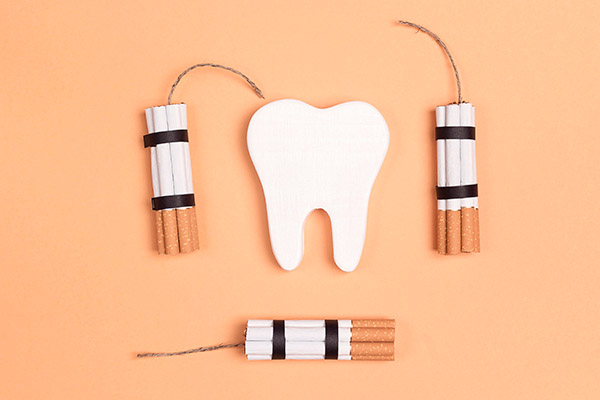
Smoking tobacco causes cardiovascular and lung diseases. It can also impair the proper oxygenation and circulation of blood. This affects every part of the body, including teeth and gums. If dental tissues do not receive enough oxygenated blood, healing slows down. This results in tooth loss, periodontitis, and even oral cancer. Smoking also leaves teeth with difficult stains.
Regular and proper brushing
Any dental practice will say that brushing teeth is the simplest way to fight tooth decay. Brushing teeth after every meal and before bedtime should be a consistent practice. Doing so ensures that food particles and bacteria do not linger on gums and teeth. Using antibacterial mouthwash flushes out the unwanted particulates.
Many people brush hard, believing that more bacteria and food particles will dislodge. On the contrary, brushing hard only pushes more particles into the gaps of teeth and gums. It also increases the possibility of getting scratches and scrapes that can become infected. Gentle, circular, up-and-down brushing can help in the effective cleaning and polishing of teeth.
Knowing the level of cavity risk
An experienced dental practice can provide a comprehensive dental exam. This will determine the patient’s level of cavity risk. When patients know their cavity risk, there should be a discussion with the dentist. That way, the dental practice can create and then start the proper treatment plan.
Flossing before bed
Flossing is not a dental care activity that people anticipate. Even so, flossing daily can clean every side of the teeth. It supplements the cleanliness that results from brushing. Flossing may be an extra effort, but it will help ensure oral health overnight.
Cutting down on sugary beverages
These beverages tend to linger in the mouth, especially when they are rich and milky. The longer the beverages stay, the more acidic the mouth becomes. The acids that bacteria produce corrode the teeth, and the corrosion starts the formation of cavities. Dentists usually recommend drinking these beverages for only up to 20 minutes. They also advise their patients to rinse their mouth with water after.
Avoiding acidic foods and drinks
Oral bacteria produce acids that destroy the enamel layer of teeth. Consuming acidic beverages and acidic foods can aggravate the deterioration of the enamel. Citrus fruits, vinegar, tea, coffee, and fermented foods usually linger in the mouth. If there is a need to consume these foods and beverages, drinking water after can help neutralize the acid that they leave behind.
Say goodbye to tooth decay with your dental practice
Working with your dentist is always a practical and effective technique in preventing tooth decay. In-clinic treatments can strip difficult tartar that accelerates tooth decay. At home, you can continue your personal hygiene practices to prevent this dental condition. The absence of tooth decay leads to good oral health. This then paves the way to optimal holistic health.
Related Posts
Many times, a dental practice will recommend avoiding smoking because of the negative effect on the teeth. Smoking can lead to many dental issues. Having a healthy smile is critical, but smoking can reduce the patient’s ability to do so. Keep reading to learn more about tobacco and the teeth.Tobacco and smoking can stain the…
A dental practice quickly treats gum disease, but it first requires identifying the condition. It might make itself known when the gums bleed when flossing or brushing the teeth. The gums could become tender, red, or swollen. Knowing the answers to these frequent questions allows patients to make better oral health decisions.Early gum disease is…
Patients have likely heard from a dental practice in the past that fluoride is critical to good oral health. However, some patients do not know about the advantages of fluoride and might have some questions. They might wonder how to incorporate it into a daily routine. Keep reading to learn more about why fluoride is…